Assessment that runs itself.Data you can teach from.
Live class battles for OCR A Level Computer
Science, in multiple choice and written exam questions. Every answer is
marked as it comes in, so the results are on your screen before the lesson ends.
BrainBrawl is in a closed beta. Departments join a few at a time.
3:12
Go to brainbrawl.net/play and log in
Struct Norris
Data Structures
Level: Hard
12 players
1
Amira H
26
2
Kacper N
24
3
Grace O
22
4
Josh P
19
+ 8 more
100%
of the H446 specification covered
172,000+
answers marked in real lessons since 2024
5×
games started by students for every game a teacher set
A five-minute starter with zero prep.
Choose multiple choice or written answers, take the recommended topic or pick your
own, and launch. Students join on their own accounts, the whole class battles one
brain, and the results are saved before the plenary.
Recommended gamesBrainBrawl suggests the topic your class has gone longest without, with a difficulty to match. One click starts it.
Wrong answers explainedGet one wrong and the student's screen shows why, before the next question.
No codes, no name entryStudents join through their class: no rude usernames, no joiners from the corridor.
Starter to plenarySome teachers close the loop in one lesson: a starter, a reteach from the results, then a re-battle as the plenary.
Start a class BrainBrawl
1. Set the game length · 2. Find the topic · 3. Tap a difficulty to launch
Choose your challenge
Multiple choiceWritten answers
Recommended Game — Boolean AlgebraHard
Class hasn't practised this in 19 days · Progress to Hard – Medium completed
A stack holds one value. A program then tries to pop two values from it. What error occurs?
Charge
A Stack overflowB Stack underflowC Buffer overflowD Syntax error
Overflow means pushing onto a full stack; popping an empty stack causes underflow.
Continue
Picking the right answer isn't the same as writing it.
Written battles use original exam-style questions, modelled on OCR past papers and mark
schemes. Students answer against the clock while the brain answers too, and every
answer is marked against its mark scheme, point by point.
1
AnswerA minute a mark, saved as they type.
2
Mark a classmate's answerAnonymously, against the mark scheme, so students see how marks are won.
3
See the examiner's markRound by round, with the points made and missed. More marks than the brain wins.
Every mark can be checkedStudents can ask you to check a mark they think is wrong, and you can change any mark, asked or not.
Concerns come to you privatelyAnswers that are worrying or offensive are flagged to you privately and never shown to classmates.
Written battle · Round 2 of 3
Networks · Router Hood
Brain 2/4You 3/4
TCP/IP communicates using packet switching. Explain packet switching.
4 marks · 4 minutes
The data is split into packets and each one gets a header with the destination IP address and a sequence number. The packets are sent separately and can take different routes across the network to get to the destination.
The examiner's marking: 3 / 4
Data is divided into packets (1 – AO1.1)
including destination addresses (1 – AO1.1)
Packets can take different available routes (1 – AO1.2)
The receiver reorders them (1 – AO1.2)Say that packets can arrive out of order and are put back in sequence at the end.
Think this mark is wrong?
You set how much and by when. BrainBrawl sets the questions.
Set a Mission in under a minute: an XP target, a due date and any battles it must
include. Students choose their route through Quest, and each one is told the most
useful thing to do next.
Homework you can chase
Missed deadlines are counted the way your school or college counts them, with your own stages,
and the students to chase come first. Give a new deadline or excuse a student from
the same page. Weekly Missions skip the holidays by themselves.
Mon 5 Oct – Fri 9 Oct
300 XP · finished · every week
Must include a written battle in Networks.
9/ 12complete
2missed the deadline
1on a new deadline
StudentXPNetworksMissed this termStatus
Lewis Carter
120—2ReminderMissed deadline
Oliver Bennett
0—1ReminderMissed deadline
Josh Patel
2101ReminderNew deadline
Freya Lewis
3000Complete
Amira Hussain
3000Complete
7 more complete
Yesterday's mistakes, back this morning
A lesson game doesn't end when the lesson does. The next day, each student's Daily
Debrief brings back the mistakes they haven't put right yet: questions to answer
again and one written answer to improve. It's DIRT without the lesson time.
Question 2 of 565 XP
Struct Norris · Data Structures
A stack holds one value. A program then tries to pop two values from it. What error occurs?
Your answer
Stack overflow
Overflow means pushing onto a full stack; popping an empty stack causes underflow.
Pick again.
Stack underflowBuffer overflowSyntax error
Know who needs you before the next lesson.
Students get a BrainBrawl grade, estimated automatically from their marked written
answers and shown against the target you set. Progress shows the class against its
targets, what to teach next and every subsection in one markbook.
The grade students seeEach student's own Progress page shows the same grade against their target, and the three battles most likely to close the gap.
What to teach nextThree subsections ranked by how much of the class they concern, each with its next step: set a Mission, start a class game or open the weakest topics.
After every class gameIn multiple choice, the most-missed questions, how the wrong answers split and an AI summary of the misconceptions. In a written battle, every answer with its mark.
The class against its targets
4below target
7on or above target
1 student has no target set.
Evidence behind the grades
4strong
6moderate
2limited
Two or more grades below
Lewis CTarget AC
One grade below
Amira HTarget BC
Josh PTarget BC
Freya LTarget AB
On target
Priya STarget AA
Grace OTarget BB
Ellie MTarget BB
Tom HTarget CC
Oliver BTarget CC
Above target
Kacper NTarget AA*
Zainab ATarget BA
No target set
Maisie CNo targetB
What to teach next
WrittenData Structures5 of the 11 students with graded written work here are below their target.Set a Mission
WrittenNetworks9 students are at 80% or more on Quickfire, but only 2 have written answers here.Set a Mission
QuickfireBoolean Algebra6 of 12 students are below 80% on recent answers. Weakest topic: Boolean Expressions, 48% across the class.View topics
Homework they set for themselves.
Quest turns the specification into two campaigns, one of quickfire battles and one of
written ones, each with its own brains in real places, Bronze to Platinum tiers and a
boss for every section. In the classroom it was built in, students started five games
on their own for every game a teacher set.
Quickfire
Multiple-choice questions against the clock. Recall what you know to beat each brain.
Struct Norris
Rome
Data Structures
BSGP
Terabyte Terrier
Land's End
Networks
BSGP
Boolean Rhapsody
International Space Station
Boolean Algebra
BSGP
Octo-Data
Mariana Trench
Databases
BSGP
Written
Apply what you know to exam questions. Earn more marks than the brain.
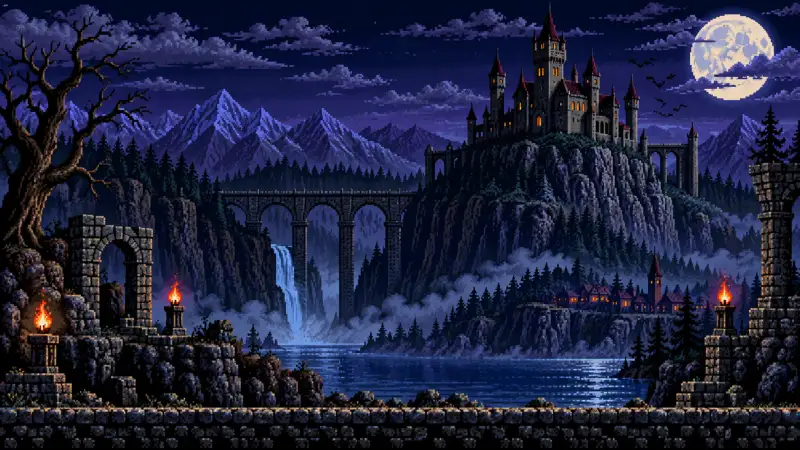
Stackula
Transylvania
Data Structures
BSGP
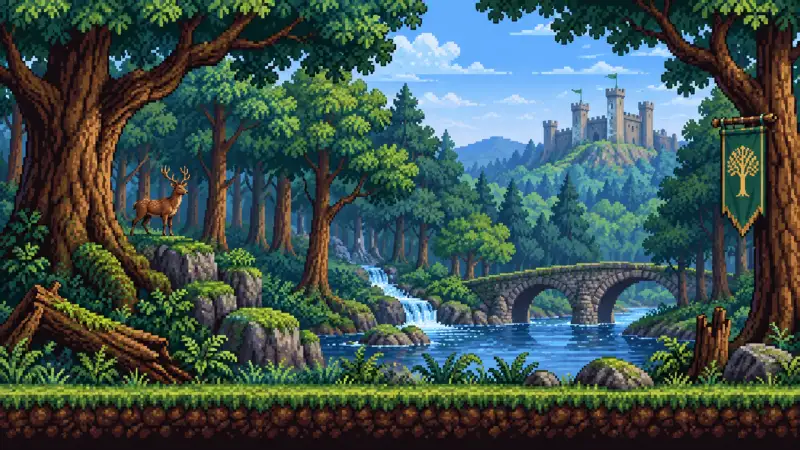
Router Hood
Sherwood Forest
Networks
BSGP
Bool Gates
Brandenburg Gate
Boolean Algebra
BSGP
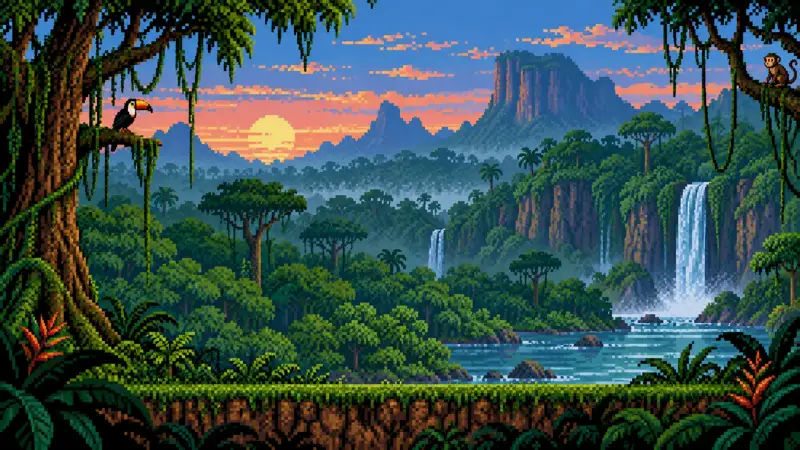
SQL Serpent
Amazon Rainforest
Databases
BSGP
Belts
Red to black, then Master at level 100.
Achievements
Twelve, each in four tiers, with a reward on every tier.
Creatures
Every 500 XP earns a pack. 120 creatures to collect.
Co-op battles with friends, a half-term leaderboard for each year group, and one
rule throughout: rewards never change a mark, and class games never count towards the leaderboard.
Teach with it free for a term. Or a year.
The first five subsections are free forever, with everything: both kinds of battle,
Missions, the Daily Debrief, Progress and the AI marking. No countdown, no card, no
cut-down demo. Pay only when your classes need the other sixteen.
Buying for your department? Ask for a quote, with a purchase order
and invoice if your finance team needs them.
Free forever
1.1.1Structure and function of the processor
1.1.2Types of processor
1.1.3Input, output and storage
1.2.1Systems Software
1.2.2Applications Generation
Ready for all 21? £9 per student per year(excl. VAT)
Teacher accounts are free. The same product, across the whole specification.
Built in a real classroom, ready for yours.
BrainBrawl is built by a software engineer turned OCR Computer Science teacher, and has
run in real H446 lessons since October 2024: over 3,500 games and 172,000 answers.
Everything on this page was shaped by that classroom, from the five-minute starter to
the written battles.
Common questions
Why do I need an invite?
BrainBrawl is in a closed beta. Departments join a few at a time, so that each one gets a proper start and a quick answer when they ask something. Request an invite and we’ll email you a personal link to create your account when your place is ready. If someone at your school or college already uses it, they can add you straight away.
Is the free tier really free?
Yes. The first five subsections include every feature, with no time limit. You pay only to unlock all 21 subsections.
Can I trust the AI marking?
Each written answer is marked against its question's mark scheme, and the marking shows which points were credited, quoting the student's own words, and which were missed. Students can ask you to check any mark they think is wrong, and you can change any mark, asked or not. Your mark always counts over the AI's.
What about answers that are worrying, offensive or written to the marker?
They are flagged to you privately on your Marking page: anything suggesting a student may be unsafe, anything offensive, and answers that try to talk the marker into marks. Worrying or offensive answers are never shown to classmates, and a flag never changes a mark.
What happens to students' written answers?
Each answer goes to the AI model that marks it on its own, with no names or account details attached. In a class battle, classmates mark answers anonymously and never see whose they are.
Does the BrainBrawl grade replace our own grades?
No. It is estimated automatically from each student's marked written answers: one more piece of information beside your own assessment, not a replacement for it, and never a prediction.
How is this different from Kahoot or Quizlet?
Generic quiz tools arrive empty: you write or vet every question, they can't mark a written answer, and each quiz's results stand alone. BrainBrawl arrives with both kinds of question written for H446, and every answer adds to a record of what each student knows.
Does it replace past papers?
No. Past papers stay on paper. BrainBrawl builds the knowledge and the exam technique students need before they sit one.
How do students get accounts?
You create classes and student accounts from the teacher dashboard. Students sign in to play, and you choose which subsections they can play on their own, so practice follows your scheme of work.
I’m a student. Can I sign up on my own?
Not yet. Accounts come through schools and colleges, so the quickest route is to ask your Computer Science teacher: the first five subsections are free for your whole class, forever. Individual access is planned for the 2027 exam season. Join the student waitlist
What does full access cost?
£9 per student per year, excluding VAT, and teacher accounts are free. A whole class costs a fraction of a class set of textbooks. When your department is ready, we provide quotes, purchase orders and invoices for your finance team.
See it working with your own classes.
Request an invite and we’ll email you a link when your place is ready. Five subsections
are free for as long as you want them.